
Choosing Solitude Without Apology
What a solo movie date in Vijayawada taught me about myself
The Saturday I Went to the Movies Alone
I picked my dupatta off the bed. I mostly wore salwar kameezes in college. What is it with government colleges and dress codes?
I adjust my hair, looking in the mirror, and lock my room, as my roommate has gone out with her friends for the evening.
It was 3 pm on a Saturday in Vijayawada, where I had studied for my MBBS. I had booked the tickets for the movie Annabelle Creation at the INOX near our college. It was the first time in my life that I had watched a movie alone.
I love horror movies. I find them very entertaining. I would not miss Annabelle Creation just because I had no friends to go with. I booked the ticket on BookMyShow.
The show was supposed to start at 4:05 pm, but I started early so I could walk to the theatre. I thought I could turn this evening into a solo date and spend some quality time with myself.
I walked lazily along the garden path that ran alongside the road from my college to the movie theatre.
It was 3:30 pm when I reached there.
I walked up to the floor that had the theatre and scanned for snacks.
I bought a chocolate cake from the chocolate fountain, a sandwich, and a large Thums Up.
850 rupees total. Outrageous for a girl on pocket money. But I bought it anyway because I never feel guilty spending money on myself.
I looked around at the people there. The hall was slightly packed, as it was a weekend.
There were a lot of families and groups of friends present.
I had been a little anxious and scared to be going out alone like this. But I saw that nobody was particularly paying attention to me. They were all here to have a good time, just like me.
I relaxed my shoulders.
I did not even realise they had been tense all this time.
It was time to enter my designated theatre hall, and I went in along with the others.
I had a thrilling time at the movie, even though it had been disappointing. There were not enough exciting, scary moments, as I had wanted.
But I loved the wonderful experience of watching a movie alone.
I had an unhurried dinner in the food court and walked back home.
It was about 8:30 pm when I returned to the hostel.
I changed into my T-shirt and shorts and got into bed.
I could not stop smiling. It would take me years more to understand that this same instinct, toward solitude, toward my own company, was also what would eventually push me to write.
In the stressful period of my time at college, I could not even remember when I had been this happy.
That evening taught me something I had been avoiding.
That I actually preferred my own company.

Solitude Is Not Loneliness
Solitude isn’t loneliness. One is chosen; the other is imposed. I would keep finding women on screen who understood this distinction, and who chose anyway.
Letting Go of the Need to Explain
It was 4:35 pm on a Friday in June last year when I came back from work. I had to go to the DMHO office to get some important signatures for my clinic’s bank account, and it was a long drive.
I was looking forward to coming home and finishing Daisy Darker. Books had been finding me at the right moment for a long time. The book was at a very interesting juncture. Only two of Daisy’s family members were alive now. I desperately wanted to see if anybody survived this and came out alive.
My mother came into my bedroom and asked me to freshen up and come into the hall so we could watch any of the new shows or movies that had been newly released on OTT that day.
My mother and I had a ritual. We usually check that week’s OTT releases excitedly at the beginning of the week and then watch them together when they are released on Friday.
We stay up late sometimes, as Saturday was my day off.
I would usually be sprawled on the big three-seater sofa, and my mother would sit on the chair across from the television set.
We sometimes get ice cream or chips to go with binge-watching.
But today I wanted to read quietly in my room with my wind-down lights.
I know my mother stayed home all day alone. She must have been waiting for me so we could watch TV together.
She would not even start watching anything on her own because we always watched those shows together.
There were many times when I had wanted to read or just be by myself in the room, but went into the hall to be with her because I did not want her to think that I did not want to spend time with her.
I did my evening skincare and changed into my pink nightdress that came up to my knees.
I was really in no mood for television today.
I just wanted to lie on my bed and read, tucked into my comforter.
My mother called from the hall.
“Are you coming?”
I took a deep breath and said, “I will be reading in my room today.”
My mother asked me if I would not be watching television then.
I replied in the affirmative.
There was silence from her end.
I waited.
Nothing happened.
The world did not fall apart.
I got into my bed, clicked open the e-book reader app on my phone, and started reading Daisy Darker.

The Evening Sorted Itself Out
I finished the book I was reading.
I felt nourished to the core.
I now feel that I want to watch the new season of Panchayat, released on Amazon Prime this Tuesday.
I went into the hall and asked my mother if she wanted to watch the series with me.
She had been watching another English movie on Netflix.
She said yes.
She also asked me if I had a good time reading in my room.
I replied yes.
I got my blanket and pillow from my bedroom, filled my water bottle, and lay on the sofa.
We both started watching Panchayat season 4, episode 1.
There are some seasons when we crave company, and then there are ones that ask for quiet.
Recognising these needs and fulfilling them is what makes our lives rich.
Not every choice needs applause, and to choose solitude is to validate yourself instead of relying on others.
There is dignity in choosing what steadies us.
Coming back to yourself each time is how strength is quietly built.
There is undeniable freedom in choosing yourself and being alone.
If this resonated, you might enjoy Letters From a Slow Writer, my occasional newsletter on autonomy, solitude, and living deliberately.
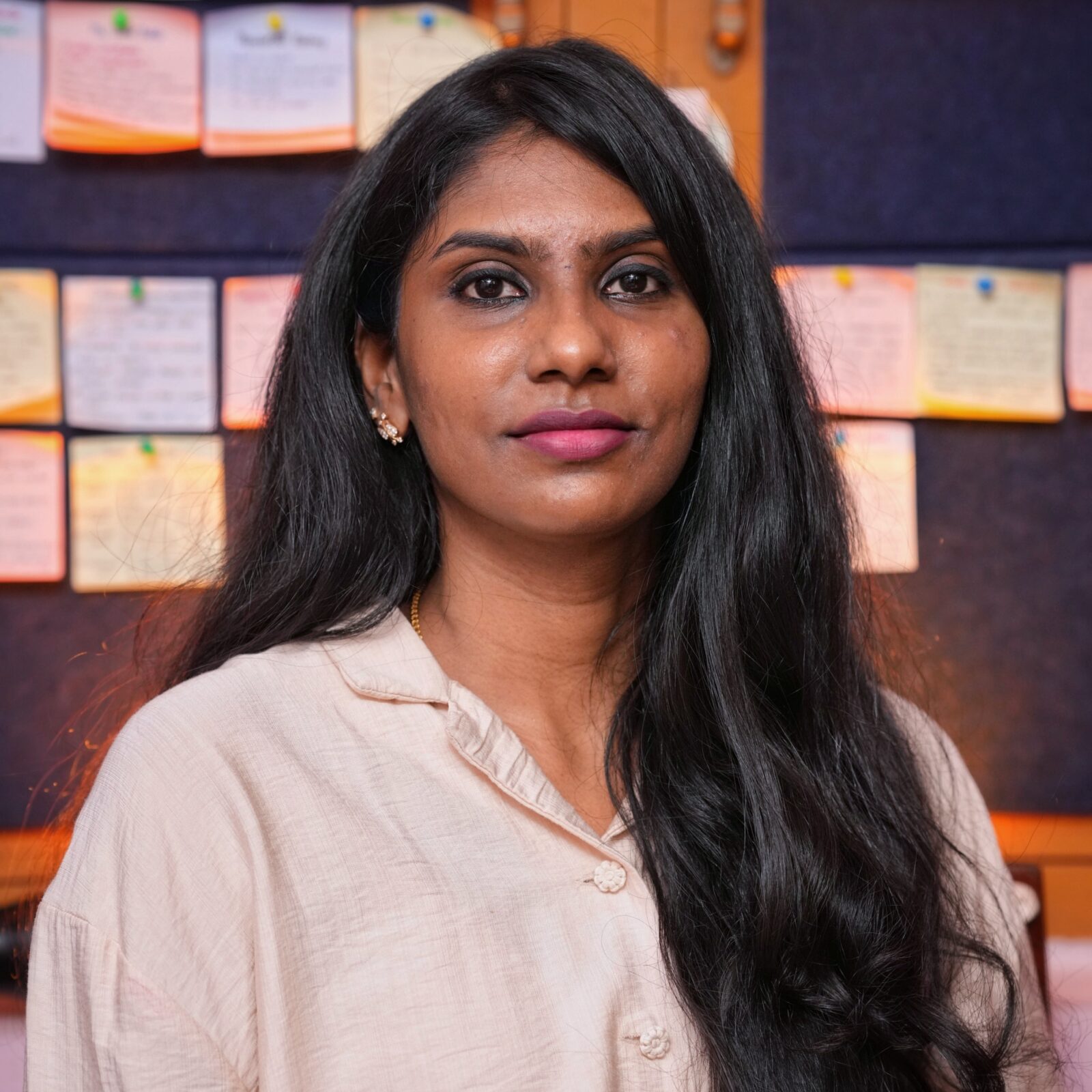
Aishwarya is a government doctor in Hyderabad and a personal essayist. She writes about solitude, books, and the quiet work of building a life on her own terms.